
What Are the Environmental Impacts of Rats in Perth?
Learn About The Environmental Impacts Of Rats In Perth WA
What are the environmental impacts of Rats in Perth WA? In the peaceful neighbourhoods of Perth, there’s a hidden danger lurking beneath the surface: rat infestations. These aren’t just a bother—they’re a serious threat to our homes and the environment. In this blog, we’ll uncover the issues caused by rat infestations, why they matter to homeowners, and what we can do about them. It’s up to all of us to protect our homes and keep our environment safe from these unwanted guests.
What are rat infestations exactly?
Rat infestations occur when large populations of rats establish themselves in residential areas, posing significant threats to both property and public health. These infestations often occur in urban environments like Perth due to the abundance of food sources and suitable habitats. Rats are opportunistic feeders, consuming a wide range of food items including garbage, pet food, and stored grains. Once they establish a presence, rats can breed rapidly, leading to exponential population growth and further exacerbating the infestation.
With a general price of $200, residents and businesses in Perth can access expert rodent pest control services to effectively manage infestations and safeguard their properties.
What type of rats are found in Perth?
In Perth, two main species of rats are commonly found:
Norway Rat (Rattus norvegicus)
Also known as the brown rat, the Norway rat is larger and stockier than other rat species. It has a blunt snout, small ears, and a tail shorter than its body length. Norway rats are burrowers and are often found in underground tunnels near buildings and gardens.
Roof Rat (Rattus rattus)
Also called the black rat, the roof rat is smaller and more agile than the Norway rat. It has a pointed snout, large ears, and a tail longer than its body length. Roof rats are adept climbers and are commonly found in trees, attics, and elevated areas around buildings.
Why are rats a concern for homeowners in Perth WA?
Rats pose several concerns for homeowners in Perth:
Property Damage
Rats can cause extensive damage to homes and infrastructure by gnawing on electrical wiring, wooden structures, and insulation. This damage can lead to fires, water leaks, and structural collapse, resulting in costly repairs and safety hazards.
Health Risks
Rats are carriers of various diseases, including leptospirosis, salmonellosis, and rat-bite fever. Their droppings, urine, and saliva can contaminate food and water sources, posing serious health risks to humans and pets.
Pest Control Costs
Controlling rat infestations often requires professional pest control services, which can be a cost for businesses and for homeowners. Additionally, the use of off the shelf chemical pesticides and rodenticides can have adverse environmental impacts and may not always be effective in eradicating rat populations.
Environmental Impact
Rats can disrupt local ecosystems by preying on native wildlife, competing with indigenous species for resources, and destroying plant communities. Their presence can lead to declines in biodiversity and ecosystem stability, affecting the overall health of the environment.
What role do rats play in disrupting local ecosystems?
Rats play several detrimental roles in disrupting local ecosystems:
Predation
Rats are voracious predators that prey on a wide range of native wildlife, including birds, reptiles, and small mammals. Their predatory behaviour can lead to population declines and even extinctions of native species, disrupting the natural balance of ecosystems.
Competition
Rats compete with indigenous species for food, shelter, and resources, putting additional pressure on already vulnerable populations. This competition can lead to reduced biodiversity and ecosystem degradation in affected areas.
Habitat Destruction
Rats are prolific burrowers and can destabilise soil structures through their digging activities. This can lead to soil erosion, habitat loss, and alterations to landscape features, further impacting local ecosystems.
Seed Dispersal
While rats primarily feed on plants and animals, they also play a role in seed dispersal. However, their indiscriminate feeding habits can lead to the spread of invasive plant species, disrupting native plant communities and altering ecosystem dynamics.
What are the potential health risks associated with rat droppings and urine in the environment?
Rat droppings and urine can harbour a variety of harmful pathogens and pose significant health risks to humans and pets. Some potential health risks associated with rat droppings and urine in the environment include:
Leptospirosis
This bacterial infection is transmitted through contact with rat urine and can cause symptoms ranging from fever and muscle aches to severe liver and kidney damage.
Salmonellosis
Rats are known carriers of Salmonella bacteria, which can contaminate food and water sources through contact with their droppings. Ingesting contaminated food or water can lead to symptoms such as diarrhoea, abdominal cramps, and fever.
Hantavirus
Certain species of rats can carry hantavirus, which is transmitted to humans through inhalation of aerosolized particles from rat droppings, urine, or saliva. Hantavirus infection can cause severe respiratory illness, leading to potentially fatal complications.
Allergens
Rat droppings and urine contain allergens that can trigger allergic reactions and exacerbate respiratory conditions such as asthma and allergic rhinitis in sensitive individuals.
Parasitic Infections
Rats can carry parasites such as fleas, ticks, and mites, which can transmit diseases to humans and pets through bites or contact with contaminated fur or bedding.
How do rats cause damage to homes and infrastructure?
Rats can inflict extensive damage to homes and infrastructure through their gnawing behaviour and burrowing activities. Some ways rats cause damage include:
Gnawing on Electrical Wiring
Rats have a tendency to gnaw on electrical wiring, insulation, and cables, which can lead to electrical malfunctions, short circuits, and even fires.
Chewing on Structural Components
Rats have strong incisors that enable them to chew through wood, plastic, and other building materials. This can result in damage to wooden beams, door frames, and furniture, compromising the structural integrity of buildings.
Contamination of Food and Water Supplies
Rats can contaminate stored food and water supplies with their droppings, urine, and hair, leading to foodborne illnesses and waterborne diseases in humans and pets.
Burrowing Under Foundations
Rats are skilled burrowers and may tunnel under foundations, sidewalks, and driveways, causing soil erosion, sinkholes, and structural instability.
Damage to Insulation
Rats may use insulation materials such as fibreglass or foam for nesting purposes, resulting in reduced insulation efficiency and increased energy costs for homeowners.
What are the environmental implications of rat waste and pollution?
Rat waste and pollution can have significant environmental implications, including:
Soil Contamination
Rat droppings and urine can introduce harmful pathogens and bacteria into the soil, contaminating groundwater and affecting soil fertility.
Water Pollution
Runoff from rat-infested areas can carry faecal matter, urine, and other contaminants into water bodies, polluting streams, rivers, and lakes and endangering aquatic ecosystems.
Air Quality Issues
Dried rat faeces and urine can become airborne and contribute to indoor air pollution, especially in enclosed spaces such as attics and crawl spaces. Inhalation of airborne particles can pose respiratory health risks to occupants.
Spread of Disease
Rats are vectors for various diseases that can affect wildlife populations and pose risks to human health. Their presence in urban environments can contribute to the spread of infectious diseases among humans and wildlife.
Ecosystem Disruption
Rat infestations can disrupt local ecosystems by predating on native wildlife, competing with indigenous species for resources, and altering habitat structures. This can lead to declines in biodiversity and ecosystem resilience over time.
What steps can homeowners take to prevent and control rat infestations in Perth?
To effectively prevent and control rat infestations in Perth, homeowners can take the following steps:
Seal Entry Points
Inspect the exterior of your home for any gaps, cracks, or openings that rats could use to gain entry. Seal these entry points with caulking or mesh to prevent rats from entering your home.
Remove Food Sources
Keep food stored in airtight containers and clean up spills and crumbs promptly to eliminate potential food sources for rats. Avoid leaving pet food out overnight and clean up outdoor dining areas regularly.
Maintain Cleanliness
Keep your home and yard clean and tidy to discourage rats from nesting and foraging on your property. Dispose of garbage properly in sealed bins and trim overgrown vegetation that could provide shelter for rats.
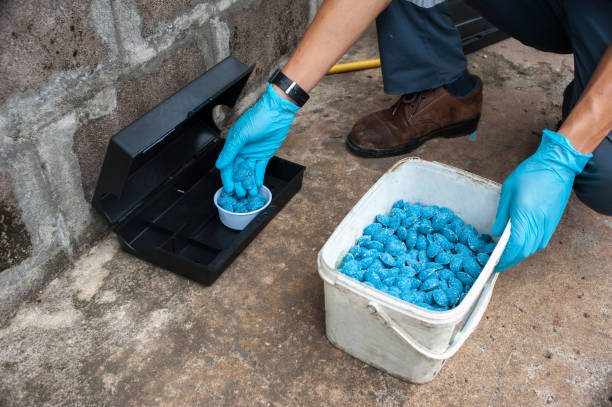
Use Rat Pest Control Perth Services
Enlist the help of professional pest control services that specialise in rat pest control Perth. These experts can assess your property, implement effective pest control measures, and provide ongoing monitoring and maintenance to keep rat infestations at bay. Xterminate has over 200 positive reviews for pest control and gets results.
Install Rat Deterrents
Consider installing physical barriers such as wire mesh or rat-proofing materials around vulnerable areas of your home, such as crawl spaces, vents, and attic openings, to deter rats from entering.
Monitor for Signs of Infestation
Regularly inspect your home for signs of rat activity, such as droppings, gnaw marks, and nesting materials. If you suspect a rat infestation, take prompt action to address the problem before it escalates.
A Summary Of The Environmental Impacts Of Rats In Perth
Rat infestations present a formidable challenge to the environment and well-being of Perth residents. Recognizing the ecological and health risks posed by these rodents is paramount for homeowners seeking to protect their properties and communities. By embracing environmentally friendly pest control measures and maintaining rigorous sanitation practices, individuals can effectively combat rat infestations while fostering a safer and more sustainable environment.
For professional assistance in rat pest control removal, Xterminate stands ready to assist. Our team of experts is dedicated to delivering comprehensive solutions tailored to your specific needs. Take action today to safeguard your home and environment from the threats of rat infestations. Contact Xterminate for reliable and effective pest control services.